For those not familiar with it, the incredibly innocuous name “plant bug” might illicit a chuckle on first hearing.
“Aren’t all bugs plant bugs?” you may ask.
But for fruit, vegetable, and row-crop farmers — cotton producers, in particular — plant bugs are no laughing matter, and their name is synonymous with expensive inputs and lowered yields. Increased numbers of the insect, more specifically, the tarnished plant bug (TPB), are creating big problems within the cotton industry in parts of the Southeastern U.S.
The TPB (Lygus lineolaris) is a member of the miridae insect family, which also includes the equally innocuous leaf bugs and grass bugs, among others. Adult TPBs are a quarter inch long, are usually brown with yellow, orange, or red tints, and display a small, whitish “V” on their backs. Though mainly blamed for damage to fruit and vegetable crops in the northeast U.S., TPBs have developed a taste for cotton in the Delta, Tennessee Valley, and Upper Mid-South regions.
TPB populations exceeding actionable thresholds in early growth stages of cotton can result in reduced plant height and boll weight damaged bolls, swollen nodes, deformed leaves, and delayed maturity. According to the Entomological Society of America, an average of six insecticide applications were made targeting the TPB during the 2013 growing season in Mississippi. That same year, 76,497 bales were lost in the state due to damage from the insect.
“Historically, plant bugs haven’t been a huge problem in our part of the country, but that has changed over the past few years,” says GreenPoint Ag agronomist, Drew Schrimsher. “Whether it has been the previous year’s above average rainfall or something else, the migration patterns for TPBs has shifted, and now our cotton crops are being impacted. These types of plant bug numbers are something producers in the lower Southeast, especially along the Gulf Coast area, have not had to manage as intensely in prior years. . We had some fields severely damaged last year, and I don’t think some of the producers were entirely aware that it was plant bug related.”
Schrimsher says the insects tend to migrate out of wild host plants and into cotton early in the growing season.
“There are several different options for host plants, but TPBs seem to prefer daisy fleabane, which is common everywhere,” he says. “That plant flowers from late April all the way through May and starts maturing down in June. The insects come out of the daisy fleabane looking for young, tender vegetation. They are also known to migrate into corn where they don’t do damage but reproduce and build numbers quickly before moving over into cotton.”
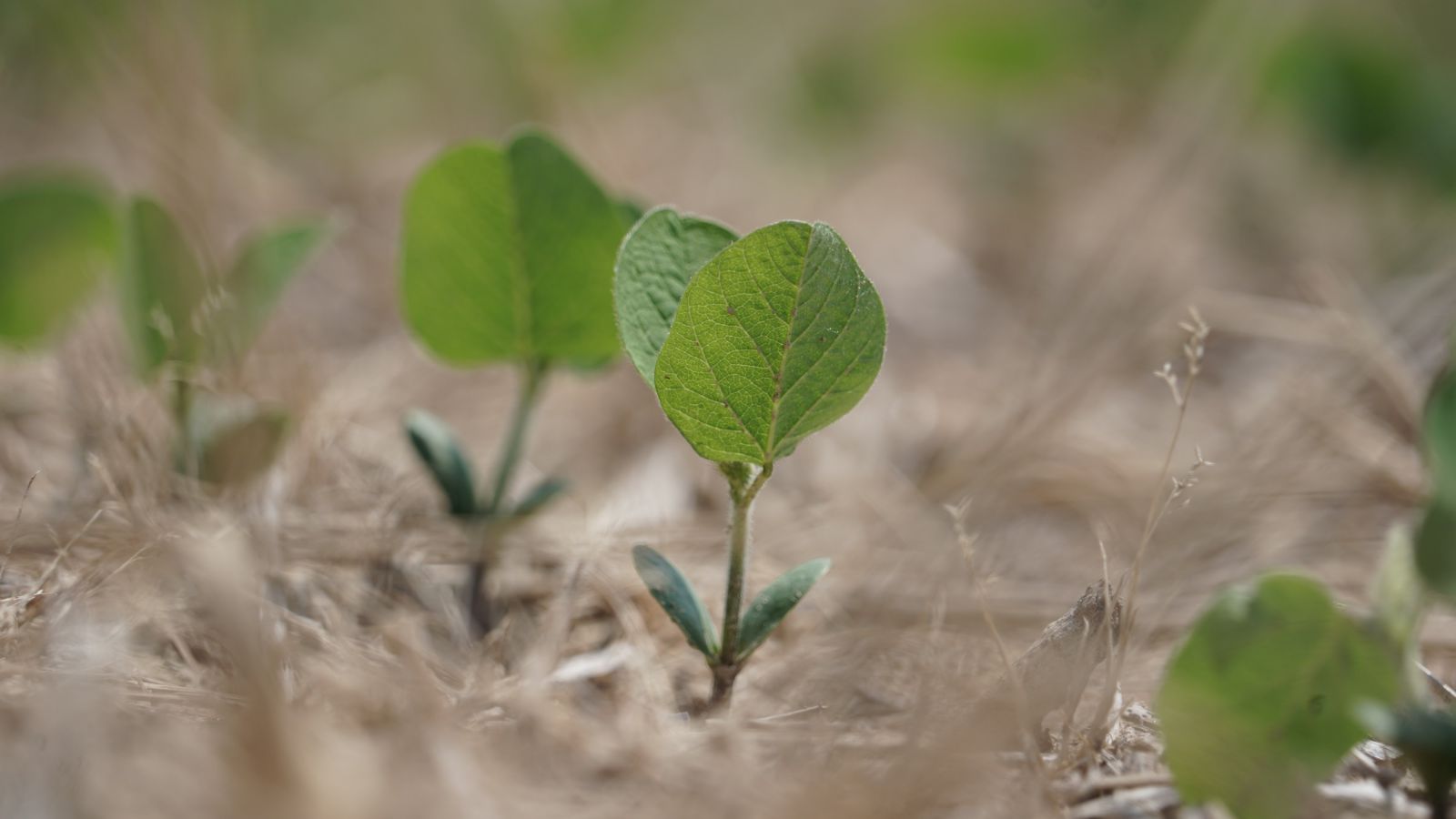
The signs of TPB infestation become noticeable, Schrimsher says, starting around the first square — 27 to 38 days after seedling emergence.
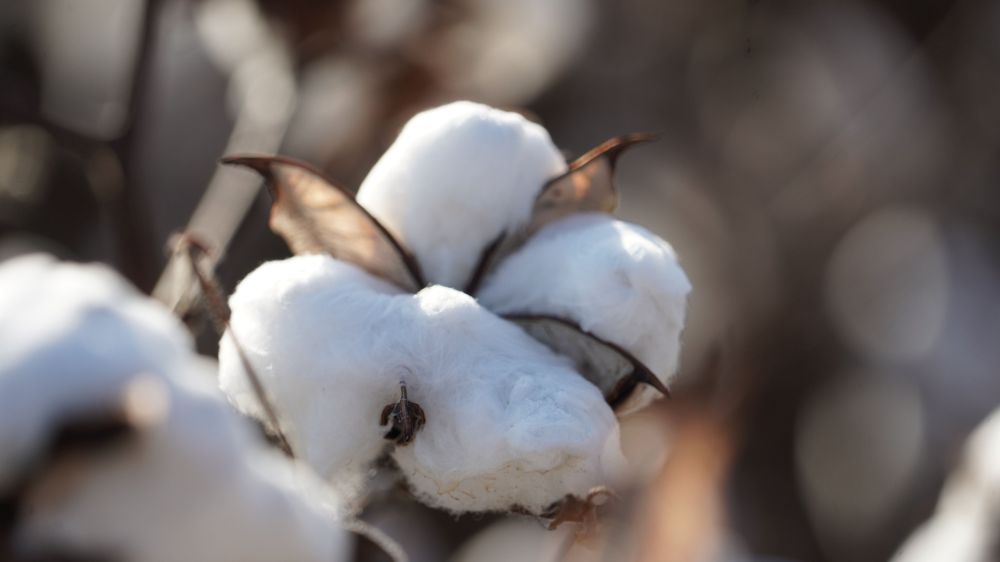
“The TPBs seem to start by focusing on young squares, which will eventually become the blooms,” he explains. “After flowering, they’ll start feeding on small bolls — up to about five days old and any new squares being formed in the terminal growth.
After first bloom, damage to bolls from both adults and nymphs may appear very similar to stink bug injury. Bolls more than 14 days old are typically not preferred feeding sites and are relatively immune to injury.
Schrimsher says that intense scouting is the first key to controlling plant bugs.
“At this point, the producer should be looking for “blasted” squares that have turned brown and dried up, or damage to young bolls,” he says. “That’s what you’re focusing on. You then need to determine the percentage of these necrotic bolls; I generally recommend treatment at around the 20 percent and above threshold.”
The product used for the initial treatment may vary regionally due to resistance of certain classes of insecticides, but Schrimsher recommends a neonicotinoid class of insecticide in early squaring stages. These tend to be less harsh on our beneficials that help us manage spider mites as the season progresses.
““Products like WinField United’s Tundra and Delta Gold are pyrethroids and still provide adequate control for plant bugs in the lower Southeast. We also like a newer product from Adama called Diamond that has increased in popularity due to its ability to manage control plant bugs. It differs from the others because it provides residual control. We like to pair it up with either Tundra or Delta Gold at the first bloom.
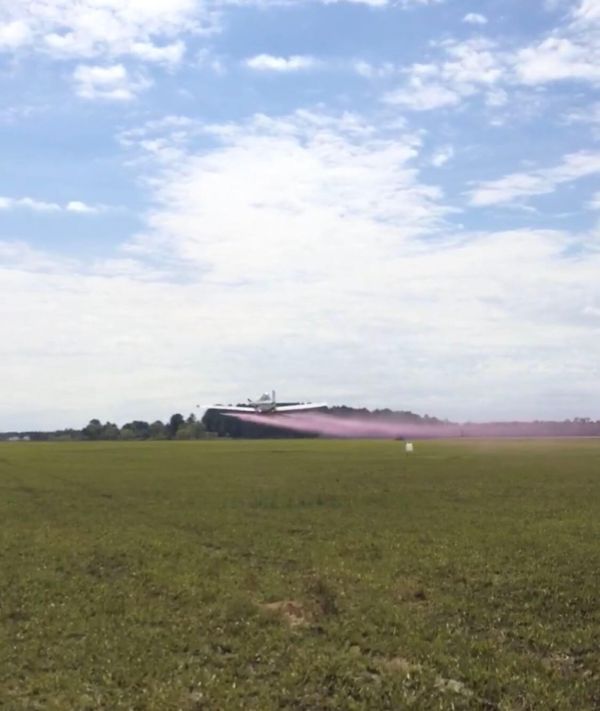
He explains that after the Bracket or Advise 4 initially knocks down adult TPBs on contact, the IGR (insect growth regulator) chemistry of Diamond will provide residual control for several days, and control newly hatched plant bugs as they emerge and begin to grow. Good coverage is a must with any insecticide application. Schrimsher also recommends using WinField United’s MasterLock adjuvant in the tank mix to deliver the chemistry further into the canopy of the plant, where plant bugs often hide underneath the leaves.
“I think the way to control these things successfully is to start early in the season and stay on top of them until the plant has matured out of danger,” he says. “Have a comprehensive scouting plan and work closely with your GreenPoint Ag advisor to come up with a solid plan.”
Agronomy
Eyes On The Boll — Managing Plant Bugs in Cotton
Want help thinking through your acres?
Talk with a GreenPoint Ag agronomist who works in your region. Local knowledge, applied to your operation.