
With postemergent herbicide applications drawing near for corn and rice crops , it’s important to put together the right tank mix so you can eliminate weed pressure before it impacts yield potential. While selecting the right herbicides and rates is always top of mind , don’t forget to include the right adjuvant package in your tank to ensure the active ingredients reach your intended target.
Depending on the herbicides you choose , a water conditioner and/or surfactant might be required to prevent mixing problems and increase uptake. But no matter what , it’s always a good idea to add a high quality drift control agent like InterLock® to your postemergent herbicide tank mix.
“When spray droplets are too small , they can easily drift off course or evaporate before doing their job ,” explains Justin Norris , WinField® United Performance Optimization District Sales Manager. “Make them too big , and they can hit with so much energy that they bounce off the leaf or miss their target altogether. Adding InterLock adjuvant to your tank mix helps reduce spray drift and improve absorption into the plants.”
Derived from vegetable oil , InterLock adjuvant drastically reduces the amount of driftable fines in the spray pattern and increases droplet speed without thickening the spray. In fact , extensive research has shown that using InterLock adjuvant can reduce fine droplets by up to 50 percent.*
“By keeping more spray droplets within the most effective size range , InterLock improves coverage , increases canopy penetration and reduces drift and evaporation of crop inputs , whether they are applied by ground or air ,” Norris adds. “All of these benefits can result in improved herbicide performance.”

As the graph at right shows , InterLock adjuvant can improve herbicide activity to control troublesome weeds like waterhemp and lambsquarters. But reducing spray drift also helps prevent crop damage caused by off target herbicide movement , especially on windy days or when sensitive crops are around.
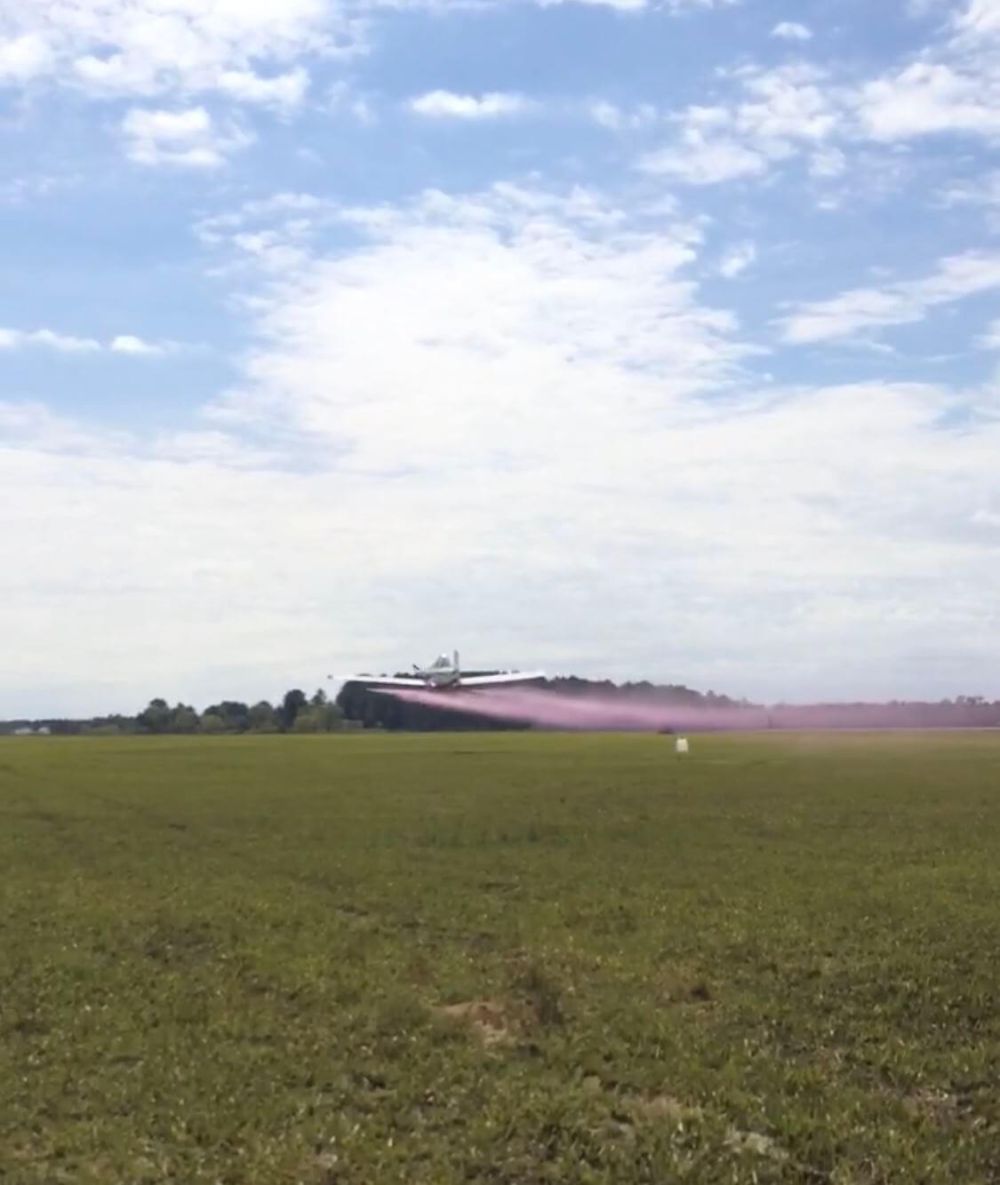
This is of specific concern when spraying rice fields located adjacent to neighboring crops like corn , sorghum , soybeans and cotton. Postemergent herbicides are often applied aerially on rice , and each of these crops may be sensitive depending on the products being used. On the flip side , rice fields can also be damaged by spray drift from postemergent herbicides like glyphosate and glufosinate.
InterLock adjuvant may be premixed in a chemical inductor , injected or added after herbicides and other adjuvants are in the tank.
While InterLock is effective at low rates , it does not negatively affect spray patterns like other drift-control adjuvants , even if higher rates or air-assisted nozzles are used. To ensure that you get the most out of your application , speak with your local GreenPoint AG representative. They can help you fine-tune your tank mix formulation and select the right spray equipment for the job , including boom height , nozzle type , size and pressure.
“InterLock is the go-to drift control agent when it comes to postemergent herbicide applications , but I recommend switching to MasterLock® adjuvant for fungicide and insecticide treatments ,” Norris concludes. “It combines the proven drift control and deposition of InterLock with DropTight™ additive , an exclusive non-ionic surfactant that specifically enhances the performance of fungicide and insecticide applications in mid- to late-post applications on corn and soybeans.”
* WinField Spray Analysis System Research Data , River Falls , WI , 2016.
Agronomy
Maximize Your Spray Investment


Want help thinking through your acres?
Talk with a GreenPoint Ag agronomist who works in your region. Local knowledge, applied to your operation.