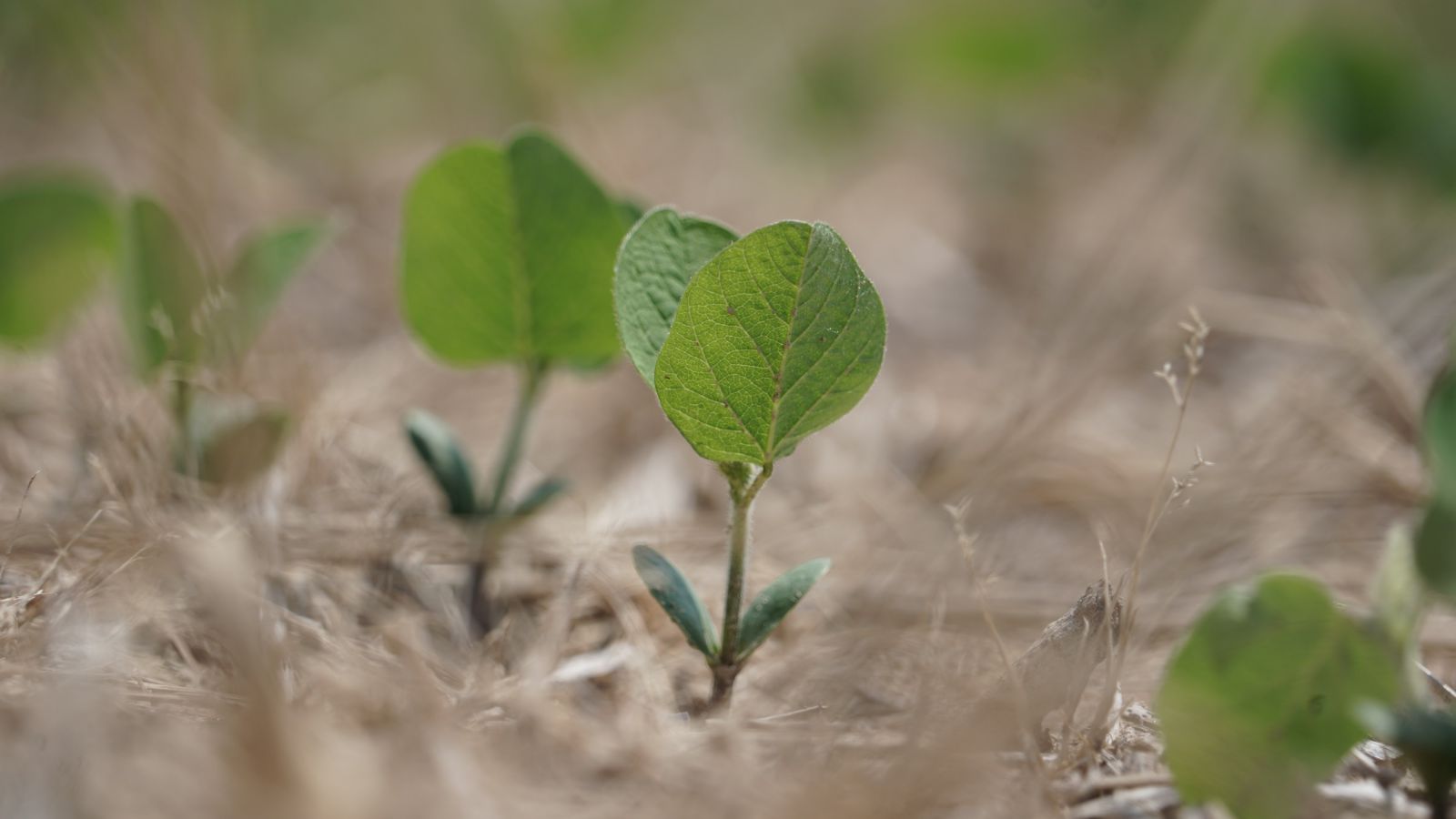
What’s the most essential input, other than sunlight, that a crop needs to survive and thrive? Sure, fertilizer and good weather play an instrumental role, but without water that crop is destined to fail.
Soil moisture monitors have been around for quite some time but can be easily overlooked as an essential component of a farm plan. The goal of a moisture sensor is simple – provide a summary reading of soil moisture in the root zone of the soil profile, which can be advantageous when making in-season decisions like irrigation timing and amount.
Soil moisture probes work by utilizing multiple sensors positioned incrementally along the probe which record and transmit data frequently to the cloud. The technology doesn’t stop there, though. Soil moisture monitors provide season-long insights into your crop’s root depth, soil temperature, water infiltration, and crop consumption with readings down through the soil profile at those multiple sensor placements on the probe. All of this information is easily accessed online or by checking an app on your phone.
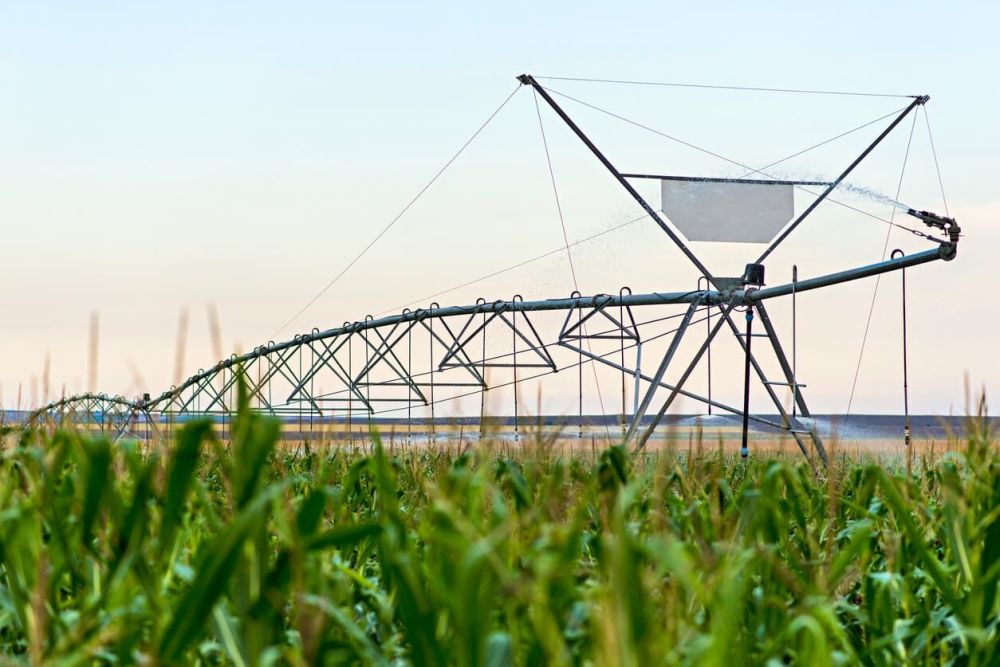
You may be thinking, “how does this apply to my operation?” There seems to always be uncertainty around how much water should be put out or whether the crop is being over-or-underwatered. Proper implementation of a soil moisture monitor can help answer those questions, potentially lowering the number or frequency of watering events or ensuring the crop gets adequate moisture. Utilizing the recorded data, you will be able to track water infiltration depths after each water event, whether from an irrigation system or a summer thunderstorm. This paints a picture of how well you are refilling the moisture profile after each watering so you can rest assured your crop will not get thirsty.
Contact your local GreenPoint Ag representative for more information on these useful tools.
Ag Technology
Monitoring Soil Moisture
Want help thinking through your acres?
Talk with a GreenPoint Ag agronomist who works in your region. Local knowledge, applied to your operation.