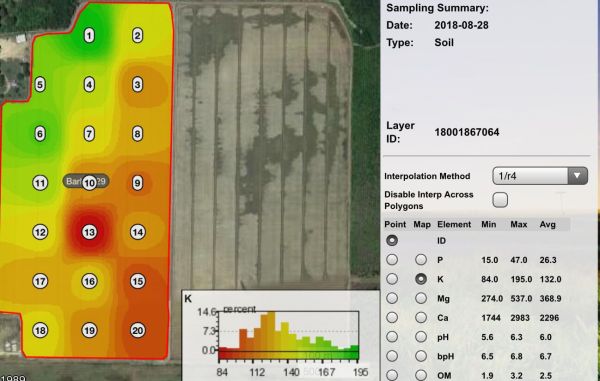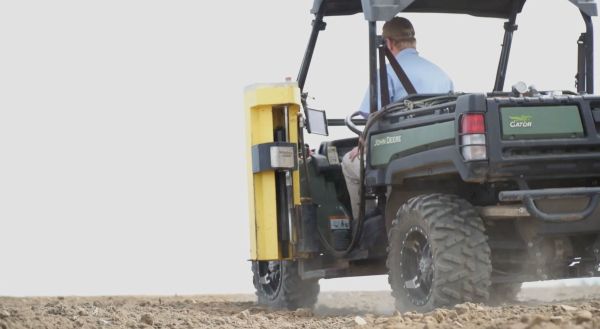
As the seasons change and cooler air creeps into the region, many of us are getting closer to wrapping up this year’s crop and looking forward to the future. Whether that be pulling soil samples, working ground or spreading fall fertilizer, many people are already thinking and preparing for next year. As we start taking those first steps, it is important to remember the things that did or didn’t work this year. For many there is no better place to start than the data that has been collected all season on the varieties that were planted and how they performed. This information will be crucial as we head towards booking next year’s seed.
One thing that I continue to see an importance placed on when planning for next year is seed placement, getting the right seed variety on the correct soil type as well as the correct variety that matches your management strategy. Yield data is a big help in making these decisions, especially when utilizing tools like GreenPoint’s ag technology offering, Incompass, or Climate FieldView. These tools make it easier to compare each variety that you planted and see how they performed on the soil types that you farm. This also establishes a comparison for the performance against other brands or varieties on the ground you farm. After all, no data is more relevant than the data that comes off your operation! In some cases there is a field that stands out with a high yield - sometimes the best it has ever cut. Why not break it down and do our best to figure out which combination of soil type, inputs, seed, and in-season management practices led to the success that we had, working to replicate and improve wherever possible for next year.
For many this may seem like a challenge - moving data from yield monitors to the computer, running yield analysis on different scenarios or even printing yield books to study during the off season – however, if you are not sure where to start be sure to reach out to your local GreenPoint AG retailer and ask to talk to your local Ag Tech Specialist. They will be able to walk you through the process and help you understand the data that you have collected. Pair that with the knowledge of your local agronomy advisor and you can be more confident in next year’s plan.