With fertilizer prices still sitting at historically high levels, every nutrient needs to count. One of the most effective—and often overlooked—ways to improve fertilizer efficiency is through proper soil pH management. And that starts with accurate soil sampling and quality lime application.
Why Soil pH Matters
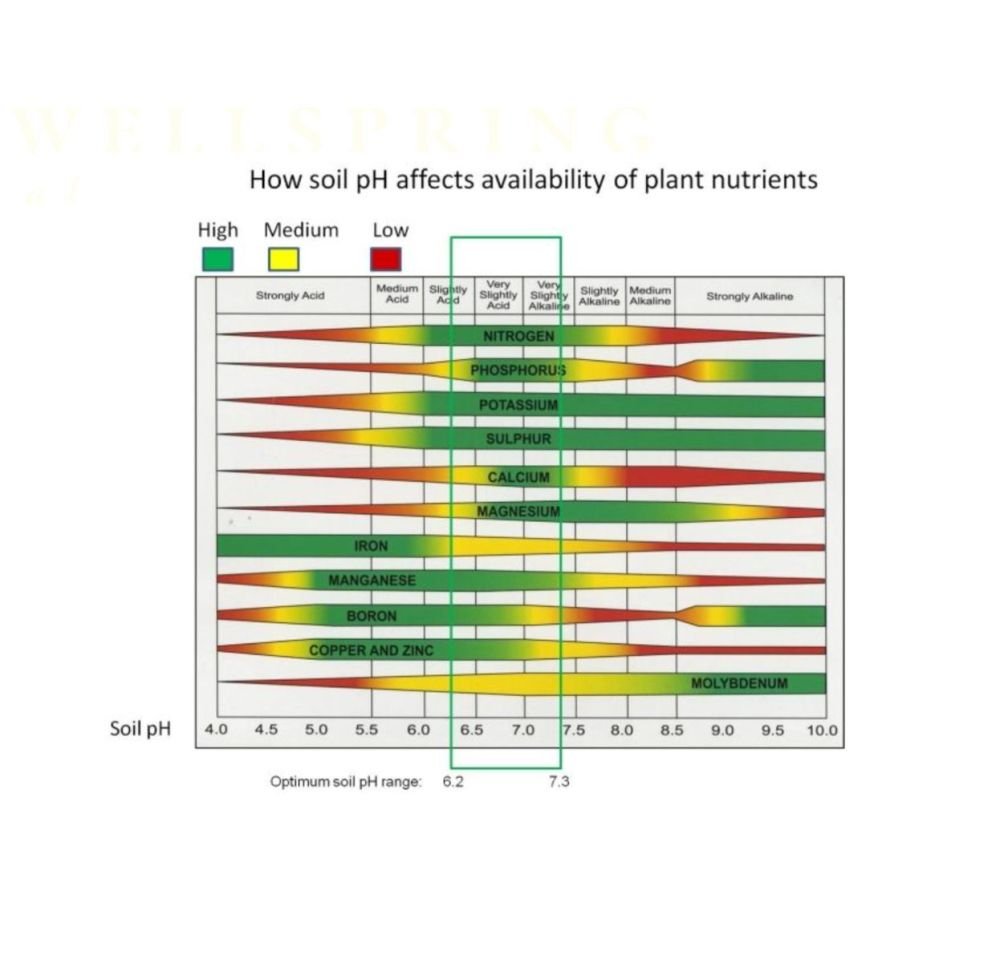
Soil pH directly affects nutrient availability. When pH drops too low (becoming too acidic), key nutrients like nitrogen, phosphorus, and potassium become less available to crops—even if you've applied them at the recommended rates. In other words, without the right pH, you're not getting the full value of the fertilizer you're paying for.
Maintaining an optimal pH (usually around 6.0-6.5, depending on the crop) improves nutrient uptake, root growth, microbial activity, and overall soil health. It’s one of the most cost-effective steps you can take to get more from your inputs.
What We Do to Ensure Lime Quality
Not all lime is created equal. The effectiveness of agricultural lime depends on two main factors:
- Calcium Carbonate Equivalent (CCE) – This measures how well the lime can neutralize soil acidity compared to pure calcium carbonate.
- Fineness – Finer particles react more quickly in the soil, delivering faster results.
Once the CCE and particle size are known, we can calculate the Relative Neutralizing Value (RNV). The RNV indicates the effectiveness we should expect from a certain lime/lime product.
We take several steps to ensure the lime we supply meets high standards:
- Sourcing: We work with reputable suppliers who consistently deliver high-CaCO₃ content lime.
- Testing: Our lime is tested for neutralizing value and particle size distribution to ensure it meets or exceeds industry standards.
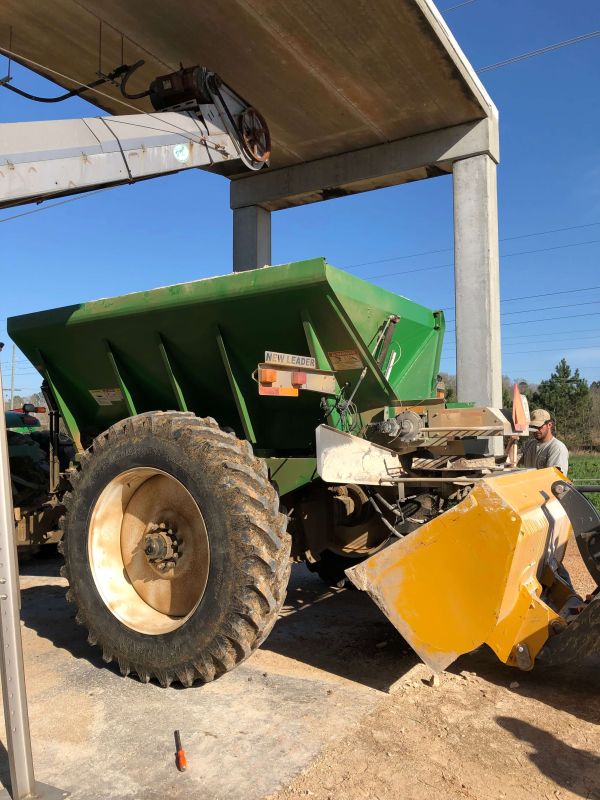
- Storage and Handling: Proper storage and handling help maintain lime quality from the quarry to your field, reducing clumping and maintaining spread ability.
The Bottom Line
In today’s high-cost fertilizer environment, getting your soil pH right is more important than ever. It’s the foundation for maximizing the value of every pound of fertilizer you apply. We’re committed to supplying quality lime that performs in the field—and helps protect your bottom line.
If you have questions about lime quality, application timing, or soil testing, we’re here to help.