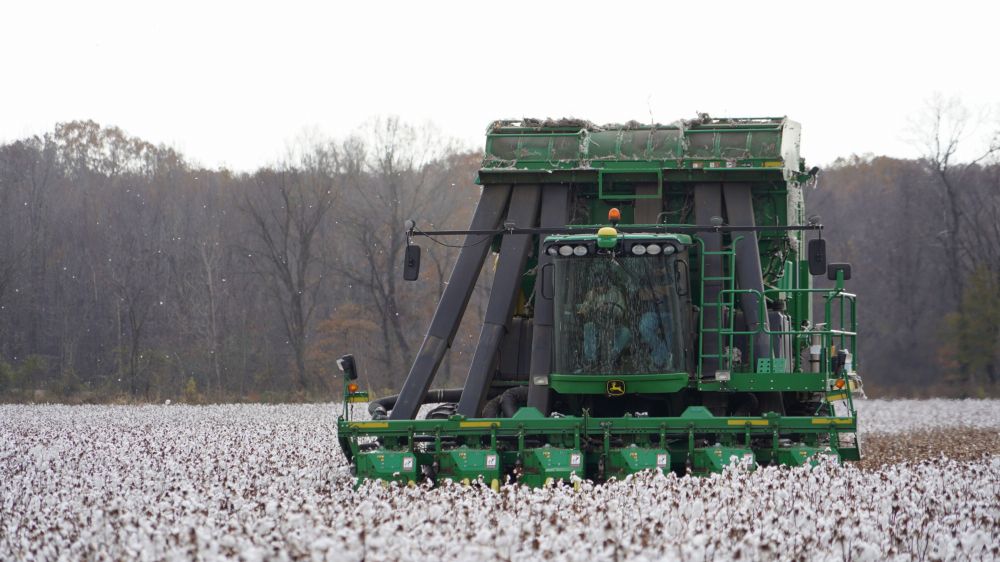
As we get into the hot months of summer one thing is for sure, harvest is right around the corner and farmers are getting ready. In cotton country, that often looks like pulling the cotton pickers into the shop and going through general maintenance items such as replacing worn spindles and moisture pads, adjusting doffers and, in general, just making sure the machine is ready to pick as effectively as possible. One area though that is often overlooked is making sure that our systems are setup to collect data accurately, especially on new or new to you machines. Below are some general steps that our team goes through to be sure that accurate yield data is collected.
Pre-Harvest Monitor Setup
- General monitor maintenance is a good thing to check. Make sure last year’s data has been archived and uploaded to AccuField and then clean off the old data to ensure that you have plenty of storage for this year. Make sure that you have your fields labeled correctly: fields no longer farmed have been deleted and new fields are added in the monitor. If you’re interested in saving time in the field, go ahead and preload your brands and varieties for this year’s crop.
- Check to make sure that the appropriate machine details are setup on ALL cotton pickers in your fleet. If multiple pickers are running in a field, it just takes one setting being off to mess up the yield data. Settings such as GPS offsets, row width, and overall head width should be checked to verify they are correct. This is especially important if this is your first year with a new machine or your first year collecting data. One thing to note here is that, in some areas, pickers are setup to accommodate skip row cotton so the row measurements between heads may vary and some row sensors may need to be turned on or off in the monitor. Just make sure that the correct widths and sensors are setup to match your management practices. We have seen many issues with cotton yield data due to incorrect setups in this step.
In-Field Harvest Calibrations
- Once we get to the field, we want to make sure that we fill out our field documentation in the monitor. With pickers, it’s important to put an estimated gin turnout in. From what we have seen, somewhere around 40% is a good place to start. Gin turnout can always be post-calibrated after harvest is complete in AccuField.
- Before you start the actual yield calibration, we want to make sure we tell the monitor when to start and stop recording data. The main setting that influences this is the header height stop point, which will either start or stop recording data once the head is lifted or lowered past the set point. We also recommend using a setting in the monitor called combination which uses the header height sensor and the readings from the microwave sensors in the air ducts to determine when the picker is actively harvesting.
- Next, we recommend running the row compensation calibration. This should be performed in as uniform a crop as possible. The purpose of this step is to calibrate each of the individual microwave sensors to a baseline for the yield calibration in the next step.
- Lastly, we will run our actual harvest calibration. We generally harvest four rolls and calibrate off the cumulative weight which gives us a good average. Be sure that you are picking your heads up past your header height stop point and that your recording is stopped as you come out of the crop when turning. I also recommend that the calibrations be performed in the longest and most uniform rows available. Stay away from end rows and headlands as this will give you an inaccurate calibration.
In closing, good quality yield data doesn’t happen by accident. To achieve the most accurate yield data, it is recommended that calibrations be performed for each variety. If you have different moisture environments such as irrigated and non-irrigated, then calibrations should be performed there as well. If you have any questions or need assistance in collecting accurate yield data, be sure to reach out to your local ag technology specialist!