By Ben White, Ag Tech Specialist
As we get closer to harvest, many growers start the process of bringing out combines, doing routine maintenance and getting ready for the general mad rush. However, it is important to remember to follow through with collecting the last data set of the season. Many growers have seen the value of collecting data on their fields, allowing them to use that data to answer questions and improve their decision making for next year.
A few of the questions that can be answered when analyzing a complete data set from planting to harvest include:
-
How does my fertility program relate to my yield this year, and is there anything I can do to address the variability in my field?
-
How did my varieties perform across my operation, and how can I better place them next spring?
-
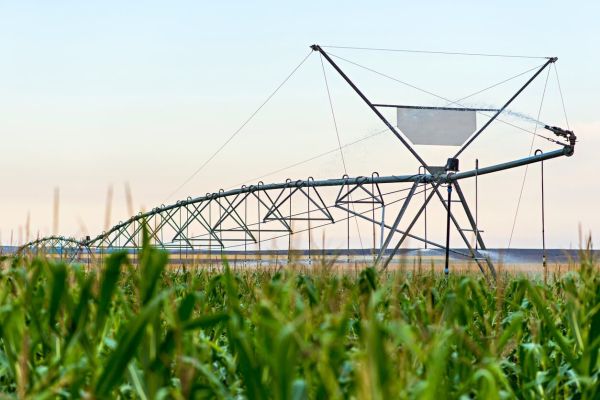
How do my irrigation practices affect my yield? Am I over or under watering, and is there anything that I can do to fix the issues that are showing up?
-
When I made that in-season application to my crop, did I get a return on my investment? Next year will that crop nutrient, biological or fungicide be something I include in my playbook?
-
In the lower producing parts of my field, what’s the limiting factor? Is there something I can change next year to do a better job managing my acres?
As we go through harvest, here are a few steps to collect better yield data.
-
Sit down with your local sales representative or ag tech specialist and go over field names and boundaries if you do not already have accurate ones established.
-
Ensure that your combine’s sensors are in good working condition, i.e. mass flow sensor and moisture sensor are clean and not damaged.
-
Before you begin harvesting reach out to your GreenPoint AG location and ask your ag tech specialist to come out with a weigh wagon and calibrate your combine free of charge. This will ensure that your data is as accurate as possible.
-
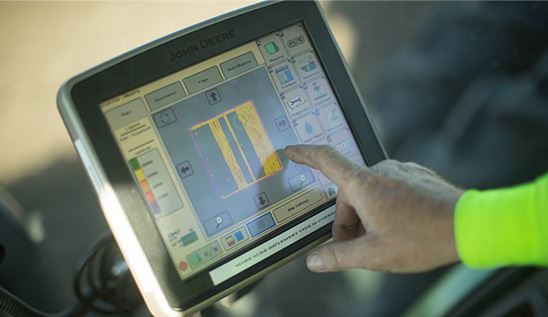
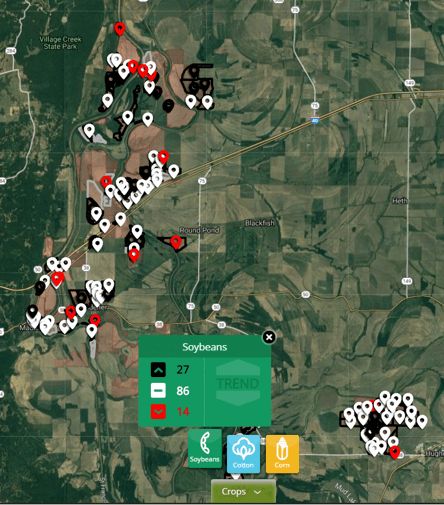
Finally, if you are not equipped with a yield monitor that is capable of mapping, be sure to ask about Climate FieldView which can take the place of the typical yield monitor at a lower cost. Climate FieldView also simplifies the process of collecting and utilizing field data from start to finish and puts the data in your hands the same day.
Following these steps to accurately record yield data will allow you to make better decisions for years to come.