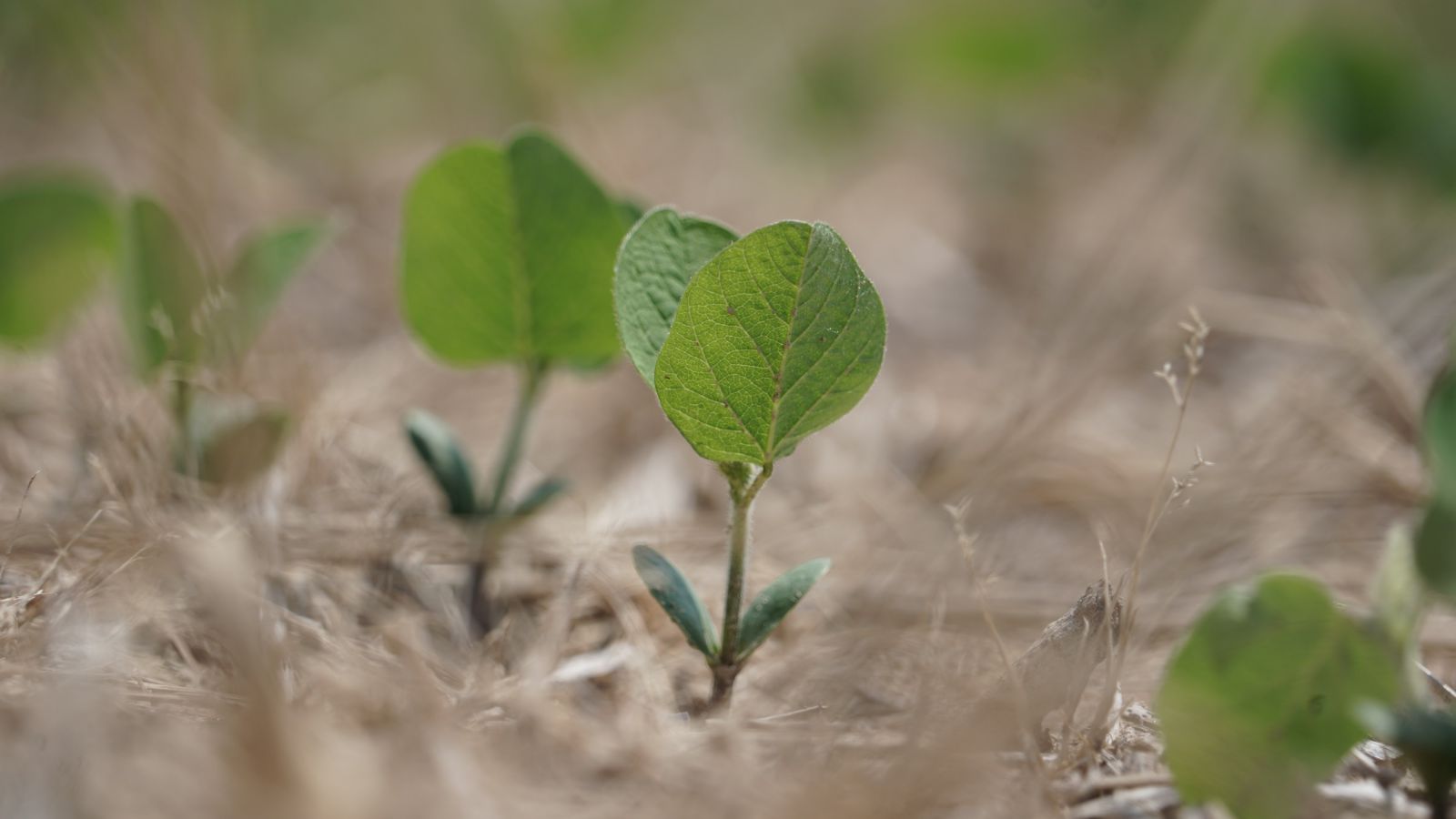
Since the dawn of agriculture , successful farmers have been faced with tough decisions. The 2022 season is no different. During their budgeting for this spring , cattle producers are facing the highest fertilizer prices they’ve seen in over a decade. Among many considerations , this raises the question of whether to apply soil nutrients to pasture and hay ground in the 2022 growing season , and how best to manage those fields.
“There’s no getting around the fact that fertilizer is high ,” says Brett Jones , Tennessee Range and Pasture Specialist for GreenPoint Ag. “People are going to cut back — it’s just human nature.” But while the inclination might be to skip a year of soil-nutrient application , Jones advises against inactivity altogether. “It may be a year of doing things differently instead of doing nothing at all ,” he says. “For example , you might consider culling your herd so you don’t need to cut as much hay. Or if you have some of your hay ground fenced , consider turning it into pasture this year , because grazing doesn’t remove as much [soil nutrient] as cutting hay.”
Depending on the farm and the situation , the options can vary. “Some folks may opt only to fertilize certain fields ,” explains Jones. “Others might decide to fertilizer everything but cut back a percentage. I’ve also heard people say , “I spent x-number of dollars last year , so I’ll spend the same this year over the same acreage , and it’ll just be less fertilizer.”
While each of these is a viable option , Jones says farmers should be careful not to put themselves in a bad position for upcoming years. “If a producer decides to do nothing — no fertilizer , no herbicides , no lime — they are digging themselves a deeper hole ,” he says. “For example , we should be careful to keep potash at optimal levels because it’s very important to plant health. As we start depleting it , the grass is weakened and begins to die out. Next thing you know , our desirable grasses are gone , and the weeds begin to take over because of the composition of the soil , which also becomes problematic for grass seed. One thing builds on another.”
Jones says that at the very least , producers should pull a soil test on fields that haven’t had one in the past 3-5 years. “It’s more important during a time of high fertilizer prices than ever because you want to be as focused and efficient as possible ,” he says. “The most critical thing is pH because if that’s not right , we can’t utilize the nutrients that are in the ground or that we’re applying. We typically want that pH in the 6.5-7 range to make those nutrients available to the plant.”
He stresses that it’s impossible to “over-test” pasture and hay ground. “It’s like looking at your bank account; you can’t look at it too many times to see what’s there ,” Jones says. “With our soil , we’re constantly removing nutrients through grazing and cutting hay. If we’re never re-depositing any money back into our bank account — or fertilizer into our soil profile — those things will become deficient , so soil-testing every three to five years is critical to have a road map of where we need to be. Every year is even better.”
He advises pulling samples at the same time every year to make an “apples-to-apples” comparison over time. “If you start out testing in the fall , then always do it in the fall ,” he says. “Same thing for spring. Soils are different depending on the time of year , so you want to keep that consistency to have an accurate idea of what’s going on.” Correct soil pH based on regular soil-testing should eventually lead to a healthy stand of grasses , Jones says , which is the best line of defense against invasive weeds.
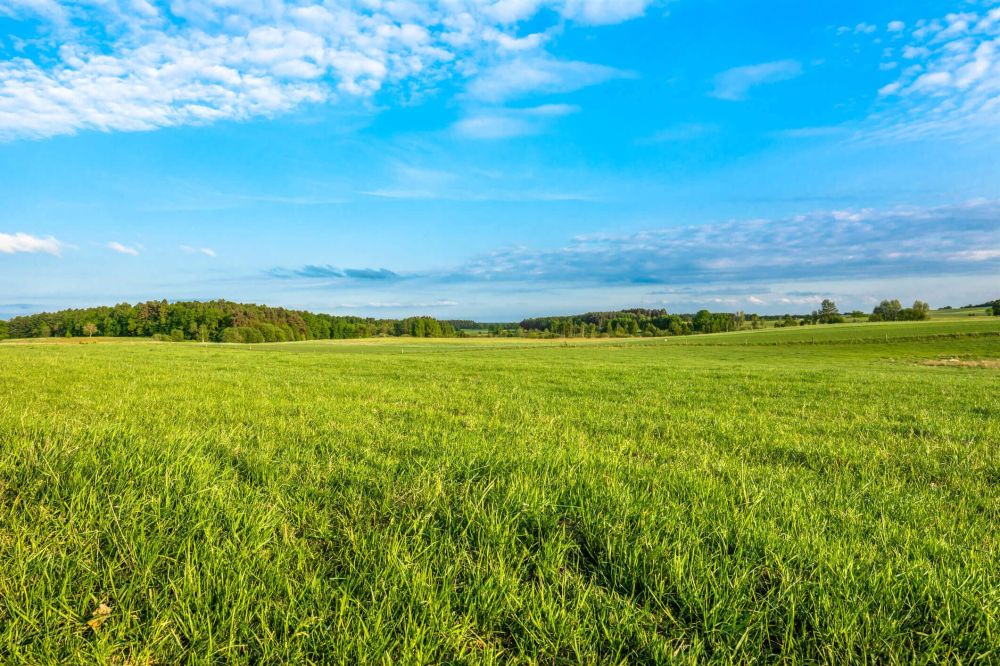
“The better grass you have , the fewer weeds thanks to the shading of the grass ,” he says. “This often boils down to grazing and cutting height. If we graze those fields really short , we remove the advantage of shade , and weeds can take hold. Also , most desirable grasses keep their energy in the bottom three to 3.5 inches , so if we’re allowing that to be removed by a disc mower or grazing , we’re putting the plant in harm’s way. This will also weaken the root system , and if the correct nutrients aren’t there and the pH isn’t right , it’s another strike against that grass trying to survive.”
Jones says that whether or not producers decide to cut back on fertilizer in 2022 , they should have up-to-date soil samples , a plan in place to correct nutrient and pH levels sooner than later , and a system for checking cutting and grazing heights. “Now is the time to be proactive ,” he adds. “Have your ground ready to go for those years when prices are favorable , and you’ll be able to overcome the downtimes.”
Agronomy
Fertility Focus – Pasture And Hay Ground
Want help thinking through your acres?
Talk with a GreenPoint Ag agronomist who works in your region. Local knowledge, applied to your operation.