Top 6 Reasons To Use InterLock® Right Now

Top 6 Reasons To Use InterLock® Right Now

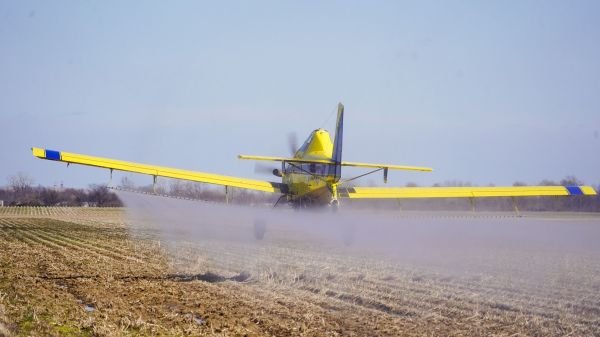
Whether you're trying to run your burndown or first post pass through a plane because you've seen rain event after rain event or your farm ground is dry enough to run a ground rig over , InterLock® adjuvant has the characteristics you need to make sure your herbicide investment isn't wasted through the volatile spring weather we've been seeing. Below are the top 6 reasons why InterLock® allows for you to create paint a line in the field , assuring that the products in your tank actually end up underneath the footprint of your sprayer.  

1. It reduces fine droplets.
InterLock® adjuvant reduces the amount of fine particles in the spray pattern without thickening the spray. Want to see? Click to watch the video.

2. It reduces drift.
By reducing fine droplets , InterLock® reduces drift up to 70% with more droplets in the ideal droplet size spectrum. It is like the story of Goldilocks: not too big , not too small , but just right.
Screen-Shot-2020-04-02-at-3-28-52-PM-(1).png3. It improves deposition and coverage.
When you have droplets in the ideal size range , you get greater coverage. This is imperative when you are spraying contact herbicides like Gramoxone or Liberty as coverage is key to kill the weeds.

4. InterLock® works with any nozzle.
From flat fans to TTIs , InterLock® reduces driftable fines.

Screen-Shot-2020-04-02-at-3-41-24-PM.png

5. InterLock® provides flexibility in application.
It can be used for ground , aerial and aquatic applications. If you are planning on spraying your acres with a ground rig but a pop-up thunderstorm hits and you have to move to a plane , you are still able to hit the target and prevent drift outside of field borders.

6. InterLock® has a low use rate.
A common complaint we hear is having to carry around large numbers of jugs to cover all of your acres. At a rate of 4oz/A , one 2.5 gallon jug covers 80 acres or 160 acres if you're using 2oz/A in conjunction with OnTarget for dicamba applications.
More from the field

Spring Burndown vs. Fall Burndown: Which is Better for Your Fields?
Agronomy

Spring Burndown vs. Fall Burndown: Which is Better for Your Fields?

Weeds don’t take a break, and neither should your weed control strategy. Whether you’re a no-till, minimum-till, or conventional grower, getting a clean seedbed before planting is critical for strong crop establishment and yield potential. One of the biggest decisions growers face each year…

The Magic Number
Agronomy

The Magic Number

As soybean producers in the West Tennessee region enter the R3 and R4 reproductive growth stages this month, they will likely be battling two of the most stubborn insects in their lineup of pests: brown and green stink bugs. The brown stink bug (Euschistus servus) is a non-native, invasive…

Harvest Progress Report
Agronomy

Harvest Progress Report

After being hit by yet another massive rain event last weekend in Hurricane Delta , it looks like producers throughout GreenPoint Ag’s 10-state footprint will finally be able to put the pedal to the metal on their harvesting efforts. Aside from a few scattered showers , weather forecasts are giving…

Making Plans For Next Year’s Success
Agronomy

Making Plans For Next Year’s Success

One of the things that we learn more about every year is the value of seed placement , putting the right seed genetics in the soil type where it can reach its fullest potential and making sure that the seed you plant matches your management style. We see great seed genetics fall short year after year…

Want help thinking through your acres?

Talk with a GreenPoint Ag agronomist who works in your region. Local knowledge, applied to your operation.

Find Your Local Team